
Material handling plays an important role in manufacturing and logistics. Almost every item of physical commerce has been transported on a conveyor or lift truck or other type of material handling equipment in manufacturing plants, warehouses, and retail stores. These operators use material handling equipment to transport various goods in a variety of industrial settings including moving construction materials around building sites or moving goods onto ships. If two activities are adjacent to each other, then material might easily be handed from one activity to another. If activities are in sequence, a conveyor can move the material at low cost.
Automation is the backbone of smart processes. It involves using technology to perform tasks without human intervention, increasing speed and reducing the potential for errors.
AI enables smart processes to learn and adapt over time. By analyzing data and recognizing patterns, AI can optimize operations, predict outcomes, and provide actionable insights.
Data is the new oil, and smart processes harness its power through advanced analytics. This allows businesses to make data-driven decisions, improving efficiency and effectiveness.
Smart processes seamlessly integrate with existing business systems, ensuring a smooth transition and unified operations across various departments.
Smart processes streamline operations, reducing the time and effort required to complete tasks.
By automating routine tasks and optimizing resource allocation, businesses can significantly cut down on operational costs.
With less human intervention, the margin for error is reduced, leading to more accurate and reliable outcomes.
Improved efficiency and accuracy lead to better customer service and satisfaction, fostering loyalty and repeat business.
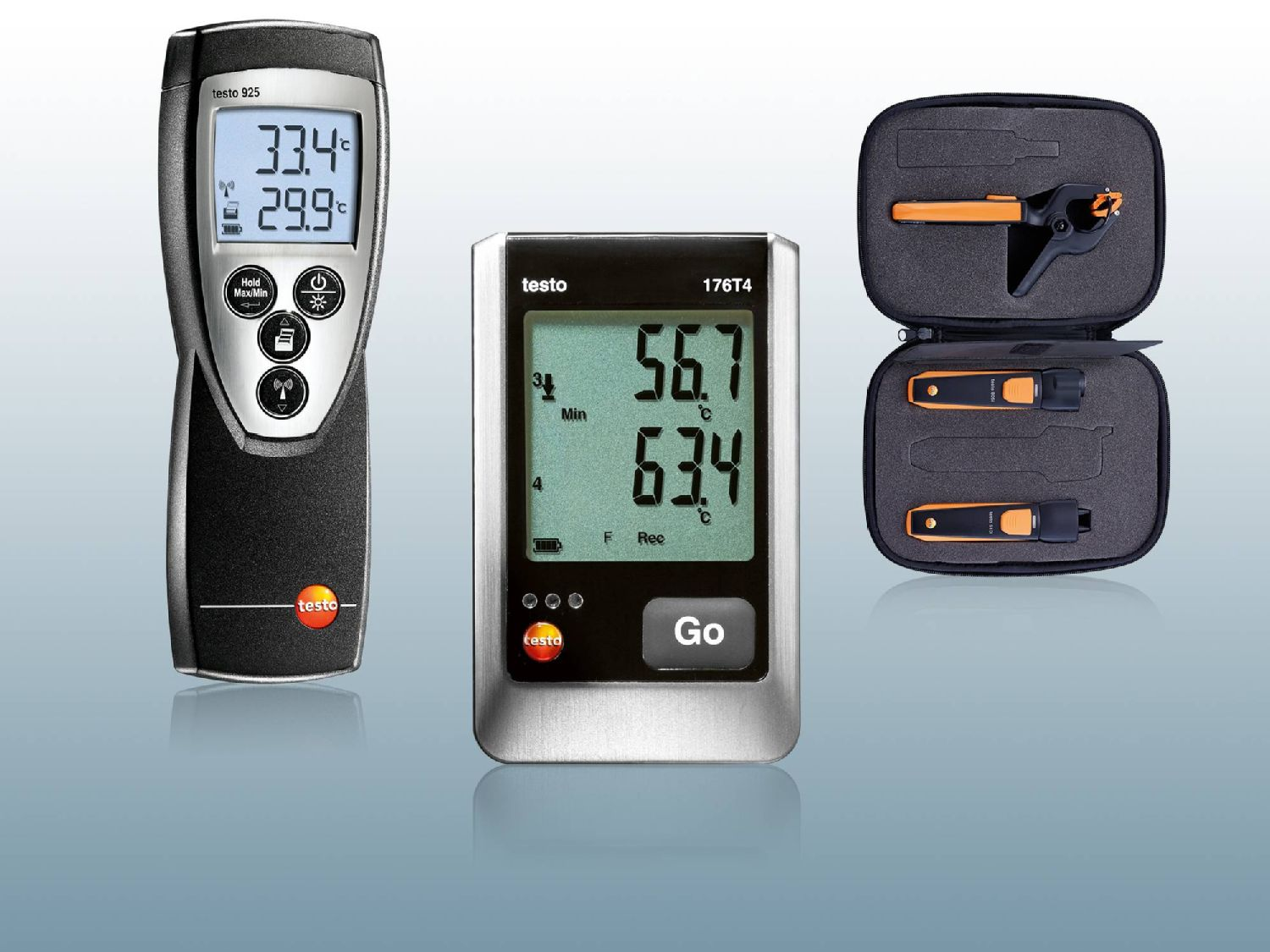
It is used to measure the physical quantity. It is automatically represented by a number on a digital display or by a code, that is, a set of discrete signals. Digital measuring devices can be divided into digital measuring instruments and digital measuring transducers.
Read More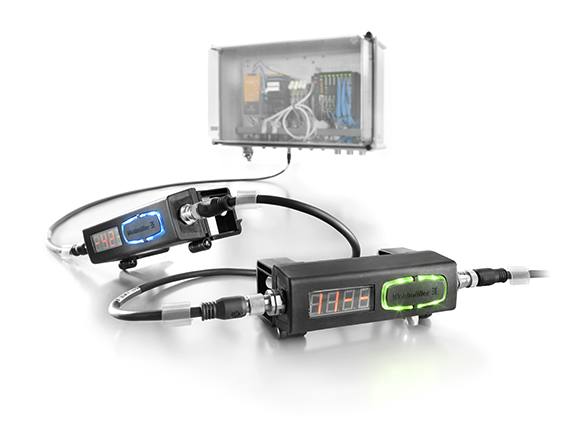
Pick to light is a type of order-fulfillment technology designed to improve picking accuracy and efficiency, while simultaneously lowering your labor costs. Pick-to-Light systems help warehouse pickers find things by using indicator lights to show where items are placed.
Read More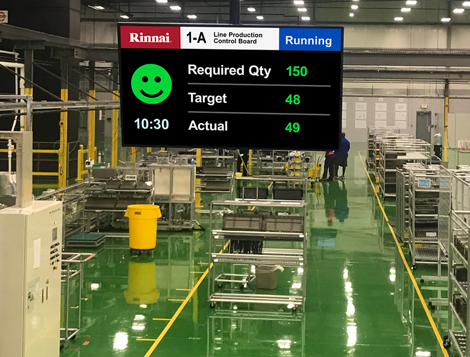
Digital displays are flat panel screens that rely on different technologies to present multimedia content to an audience. The most common LCD screens use liquid crystal cells to display content and LED screens.
Read More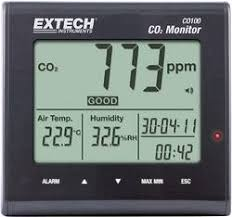
A data logger is an electronic device which is used to store data over time. This includes many data acquisition devices such as plug-in boards or serial communication systems which use a computer as a real-time data recording system.
Read More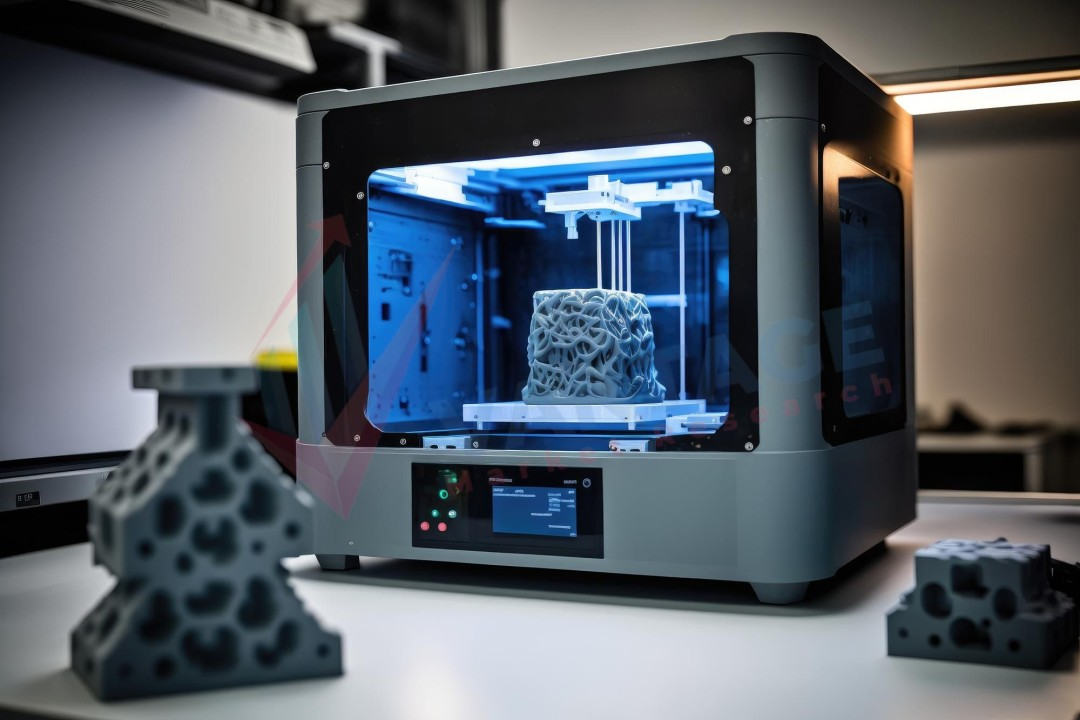
3D printing or additive manufacturing is a process of making three-dimensional solid objects from a digital file. 3D printing enables you to produce complex shapes using less material than traditional manufacturing methods.
Read More
A sensor is a device that detects and responds to some type of input from the physical environment. The output is generally a signal that is converted to a human-readable display at the sensor location.
Read More
Task management software is designed to help individuals and teams organize, prioritize, and track tasks efficiently. It provides features such as task assignment, progress tracking, and deadline reminders, ensuring that projects stay on schedule and goals are met. This software enhances productivity by streamlining workflow and fostering better collaboration.
Read More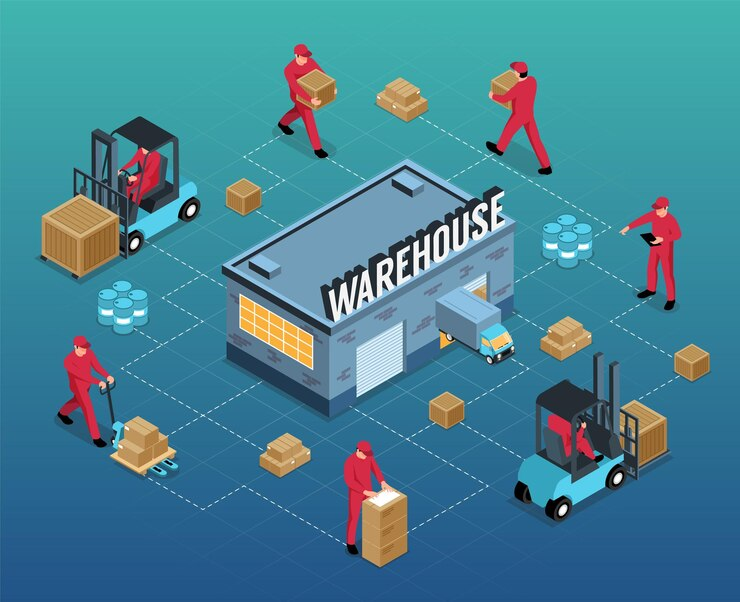
Audit management software automates and streamlines the auditing process for organizations. It helps in planning, executing, and tracking audits, ensuring compliance with regulations and standards. Features include audit scheduling, risk assessment, issue tracking, and reporting, which enhance the efficiency and accuracy of audits while reducing administrative burdens.
Read More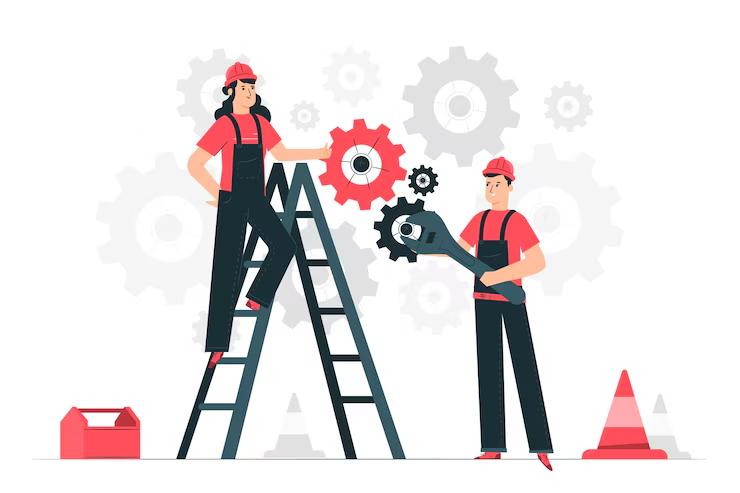
Maintenance management software helps organizations manage and streamline their maintenance activities. It assists in scheduling preventive maintenance, tracking work orders, managing inventory, and ensuring equipment reliability. By using this software, businesses can reduce downtime, extend the lifespan of assets, and improve overall operational efficiency.
Read More
FMEA (Failure Mode and Effects Analysis) software assists organizations in identifying and mitigating potential failures in processes and products. It provides tools for analyzing risk, documenting failure modes, and prioritizing corrective actions. This software enhances reliability and quality by helping teams systematically evaluate and address risks, ultimately improving safety and performance in manufacturing and other industries.
Read More
Power Automate is a cloud-based service from Microsoft that enables users to create automated workflows between apps and services. It allows for the automation of repetitive tasks and business processes, such as data collection, file synchronization, and notifications, without the need for extensive coding. By integrating with a wide range of applications, Power Automate helps improve efficiency and productivity across organizations.
Read More
Change management is the discipline that guides how we prepare, equip, and support individuals to successfully adopt change in order to drive organizational success and outcomes.
Read More
Flow management software optimizes and automates business workflows, enhancing efficiency and coordination. It streamlines processes, reduces bottlenecks, and ensures seamless task progression across various departments, boosting overall productivity.
Read More
A document management system is used to receive, track, manage, and store documents and reduce paper. Most are capable of keeping a record of the various versions created and modified by different users.
Read More
Advanced product quality planning is a framework of procedures and techniques used to develop products in industry, particularly in the automotive industry.
Read More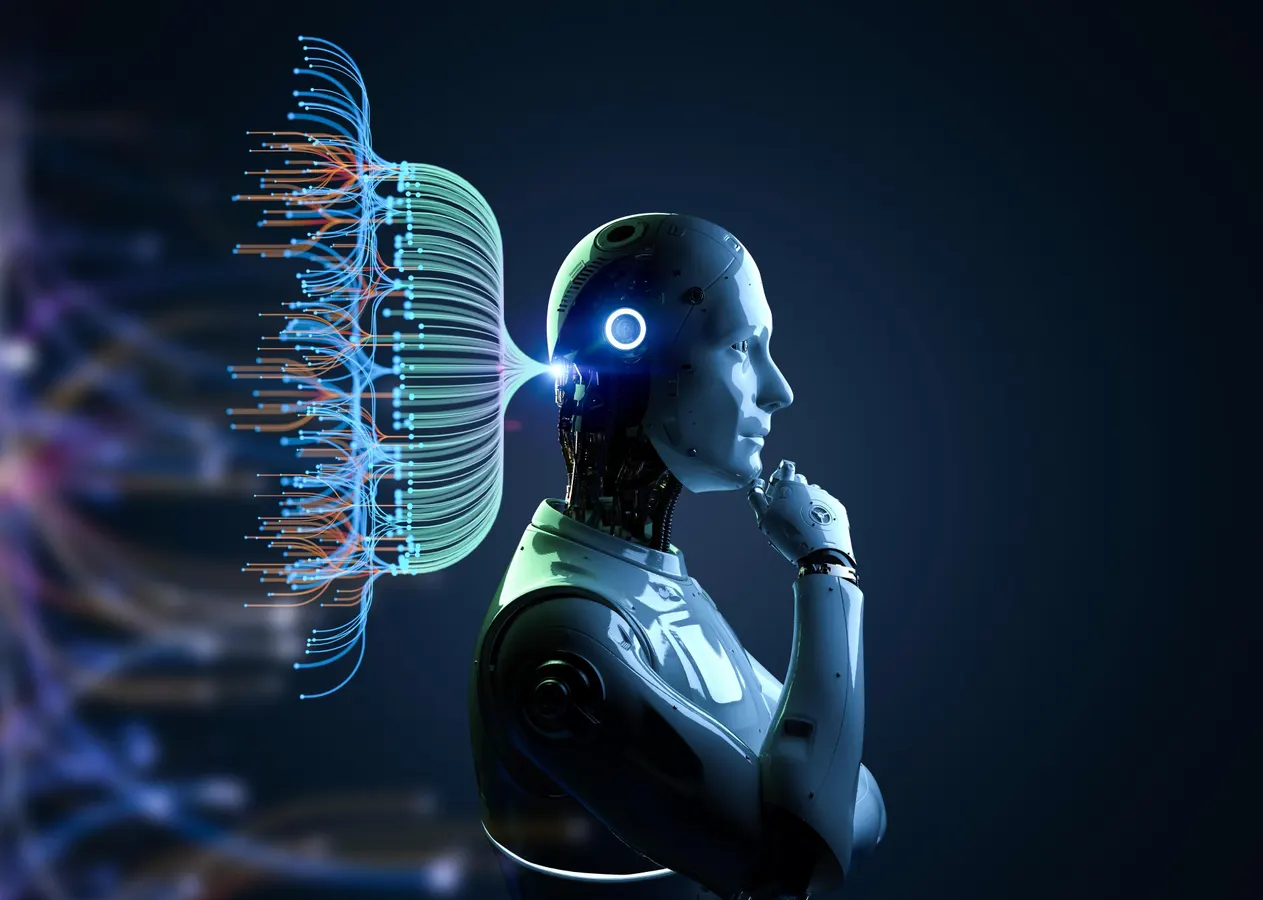
Kaizen is a Japanese philosophy centered on continuous improvement through small, incremental changes. It emphasizes the involvement of all employees in the ongoing effort to enhance processes and quality.
Read More
Six Sigma is a data-driven methodology aimed at reducing defects and variability in processes to improve quality and performance. It uses statistical analysis to identify and eliminate causes of errors and inefficiencies.
Read More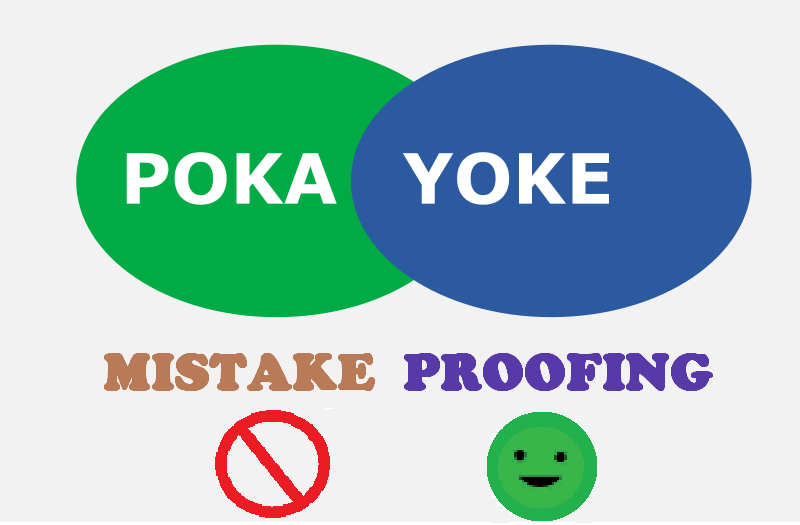
5S is a workplace organization method that stands for Sort, Set in order, Shine, Standardize, and Sustain. It aims to create a clean, efficient, and well-organized work environment to improve productivity and safety.
Read More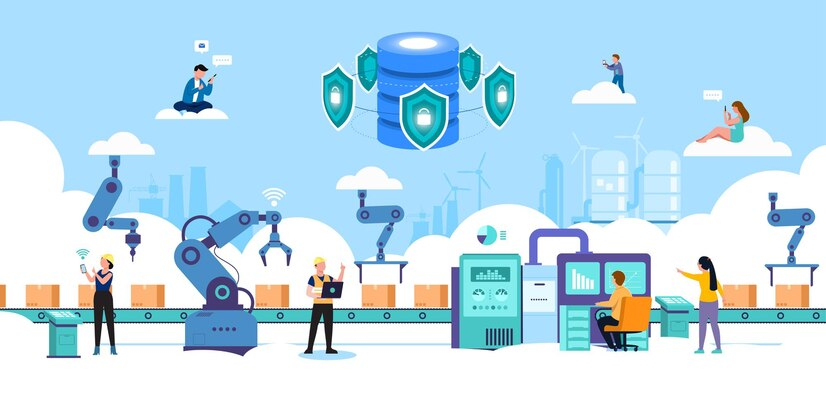
A smart factory is a highly digitized and connected manufacturing facility that harnesses the power of advanced technologies such as the Internet of Things (IoT), artificial intelligence (AI), big data analytics, and automation to optimize production processes and increase efficiency. .
Read More
Smart farming refers to managing farms using modern Information and communication technologies to increase the quantity and quality of products while optimizing the human labor required.
Read More
Smart hospitals — which utilize data and AI insights to facilitate decision-making at each stage of the patient experience — can provide medical professionals with insights that enable better and faster care.
Read More