A smart product is a data processing object, which perform several interactive functions. A smart product combines the physical and software interfaces. The smart product is interactive and easily understandable to the user.
Smart products also called as intelligent products, information appliances or electronic appliances.
The user interface of consumer smart products has to be simple to enable quick learning times.
These products range from motor vehicles to medical devices to industrial equipment and smart packaging that can report on the location and condition of the product it protects.
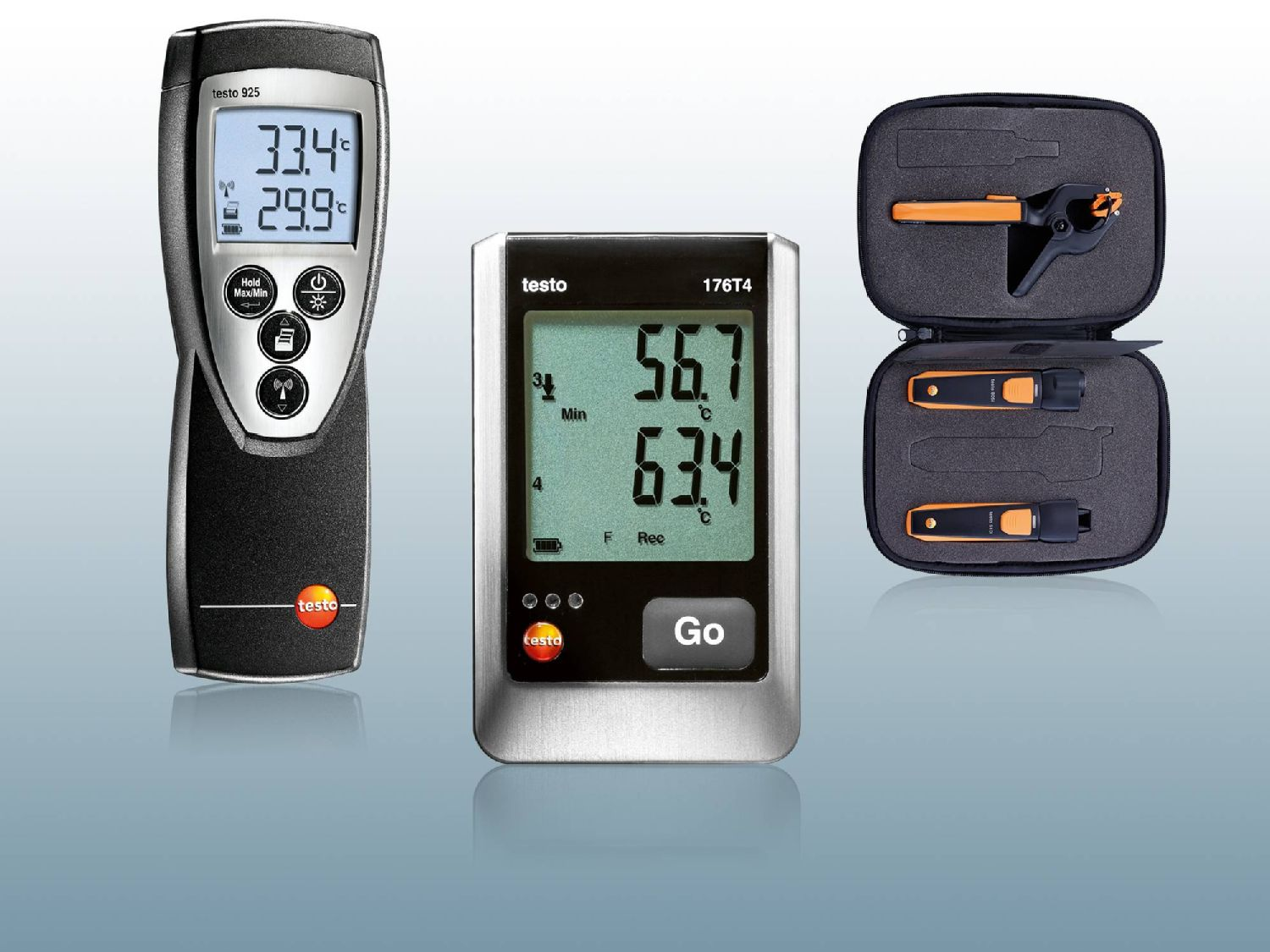
It is used to measure the physical quantity. It is automatically represented by a number on a digital display or by a code, that is, a set of discrete signals. Digital measuring devices can be divided into digital measuring instruments and digital measuring transducers.
Read More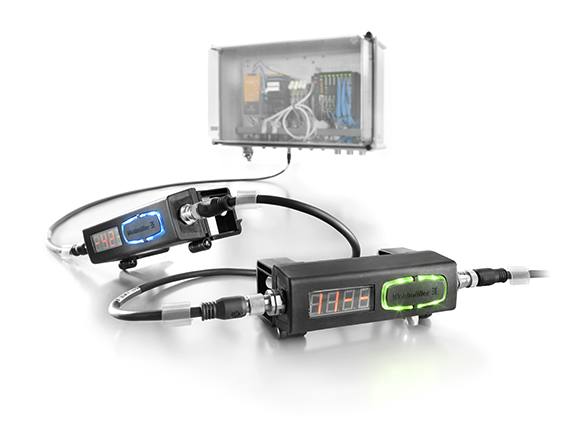
Pick to light is a type of order-fulfillment technology designed to improve picking accuracy and efficiency, while simultaneously lowering your labor costs. Pick-to-Light systems help warehouse pickers find things by using indicator lights to show where items are placed.
Read More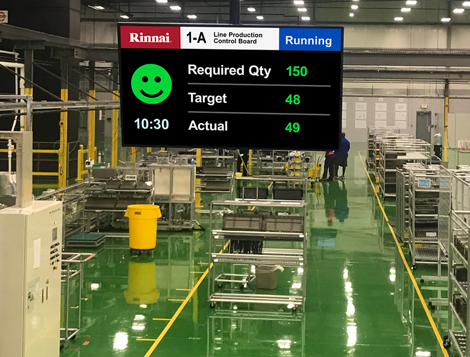
Digital displays are flat panel screens that rely on different technologies to present multimedia content to an audience. The most common LCD screens use liquid crystal cells to display content and LED screens.
Read More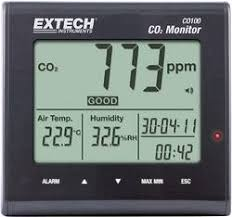
A data logger is an electronic device which is used to store data over time. This includes many data acquisition devices such as plug-in boards or serial communication systems which use a computer as a real-time data recording system.
Read More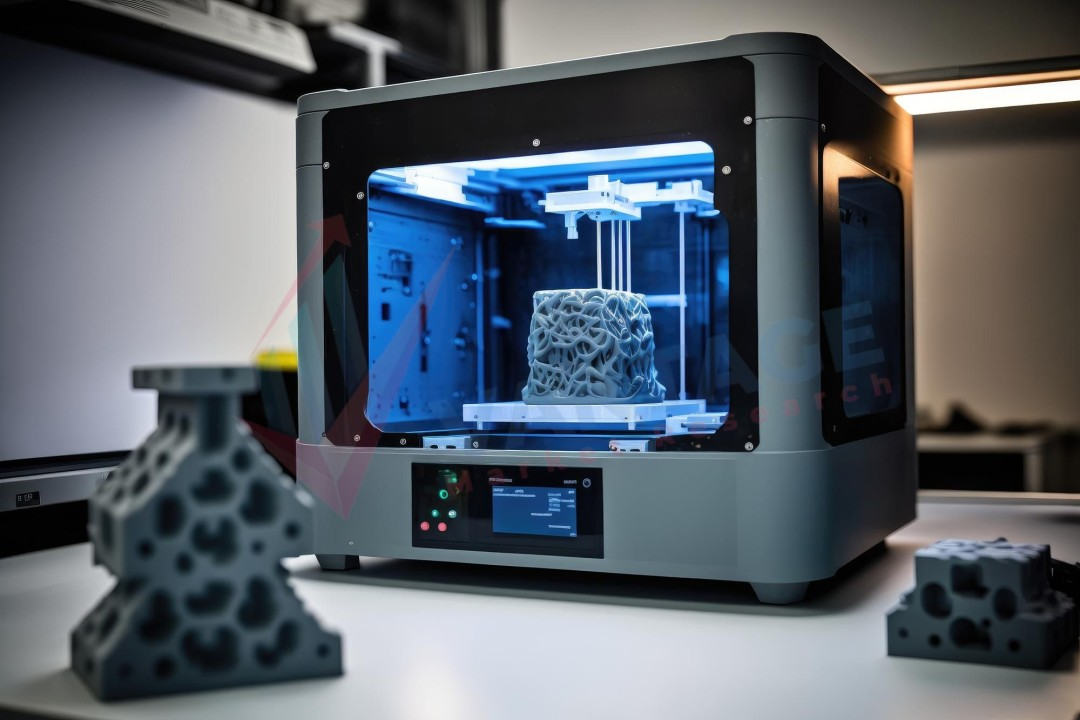
3D printing or additive manufacturing is a process of making three-dimensional solid objects from a digital file. 3D printing enables you to produce complex shapes using less material than traditional manufacturing methods.
Read More
A sensor is a device that detects and responds to some type of input from the physical environment. The output is generally a signal that is converted to a human-readable display at the sensor location.
Read More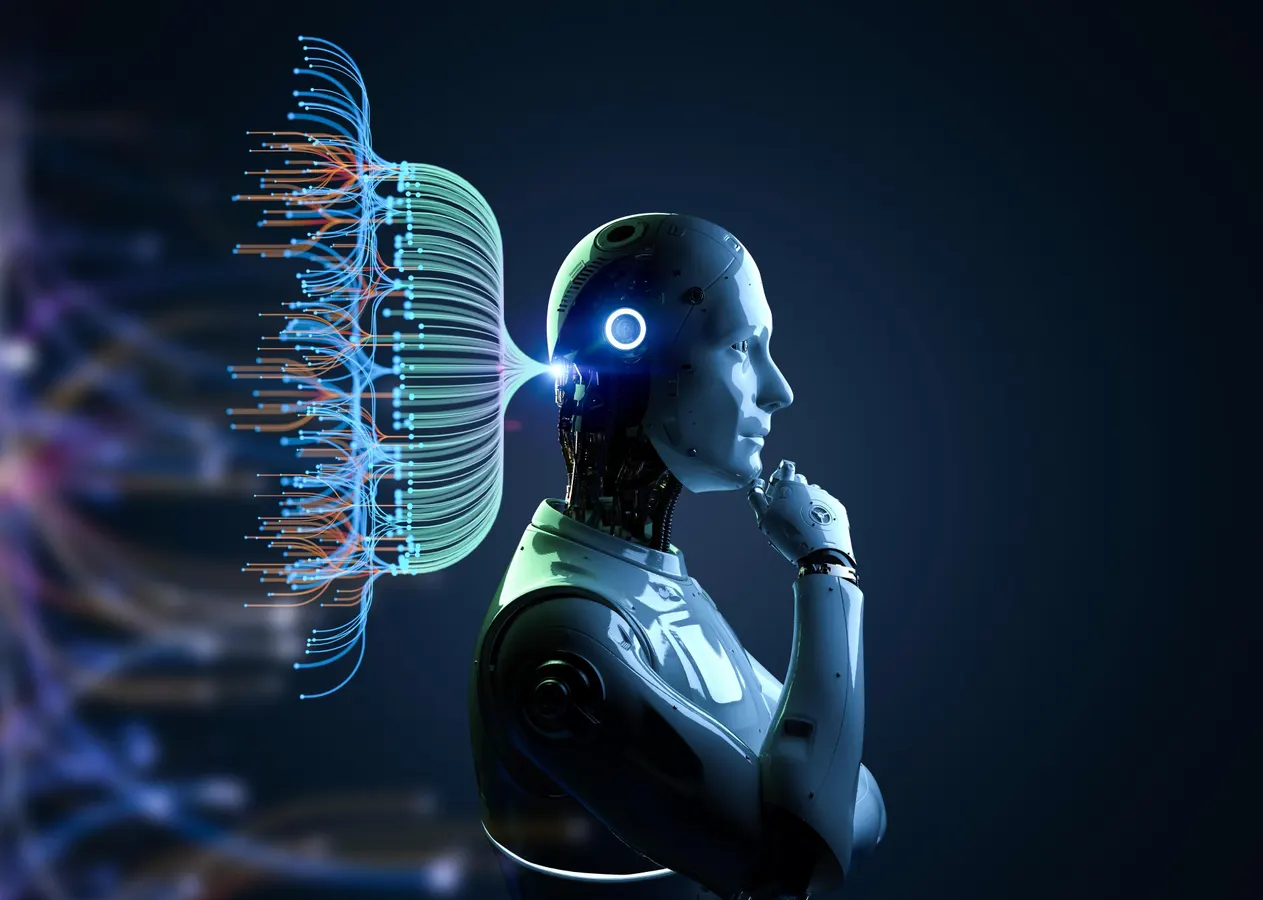
Artificial intelligence is based on the principle that human intelligence can be defined in a way that a machine can easily mimic it and execute tasks, from the most simple to those that are even more complex. The goals of artificial intelligence include learning, reasoning, and perception.
Read More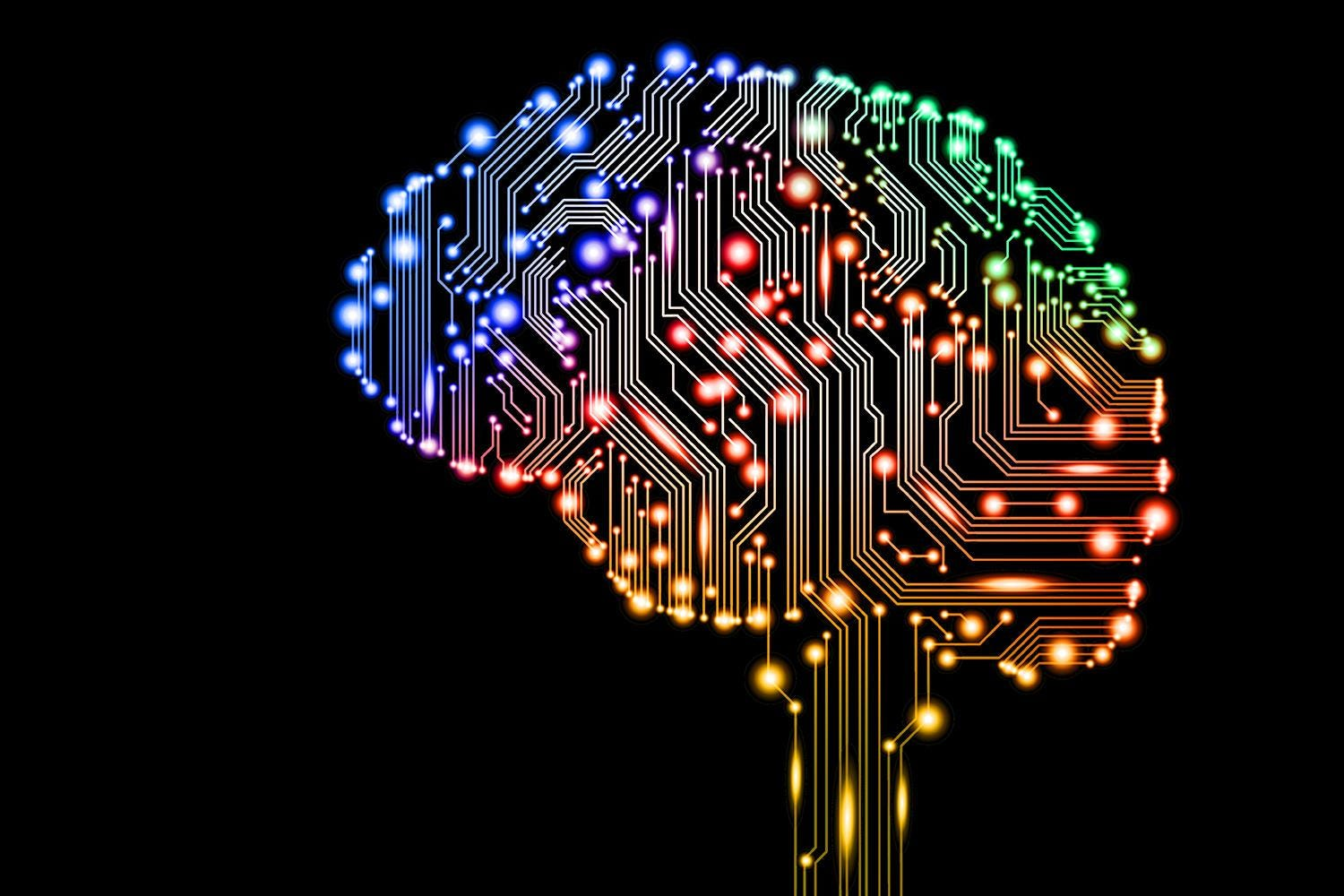
Machine learning is an application of artificial intelligence (AI) that provides systems the ability to automatically learn and improve from experience without being explicitly programmed. Machine learning focuses on the development of computer programs that can access data and use it to learn for themselves.
Read More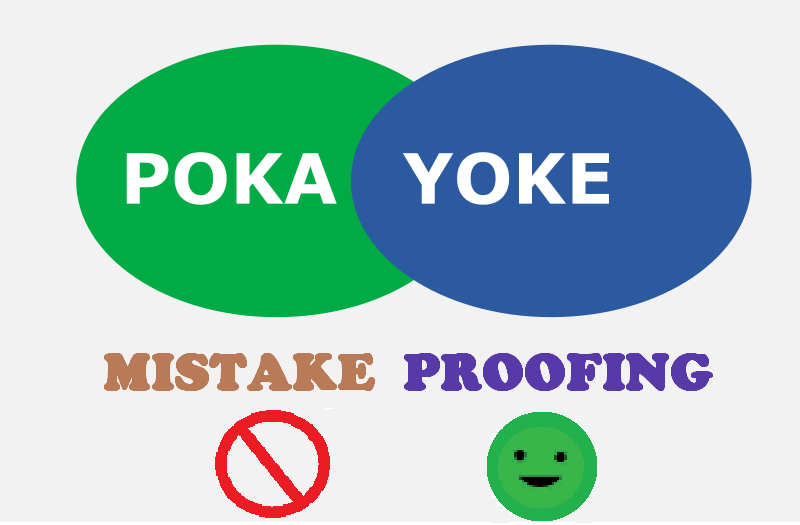
Poka-yoke is a Japanese term that means mistake-proofing or inadvertent error prevention. A poka-yoke is any mechanism in any process that helps an equipment operator avoid mistakes. Its purpose is to eliminate product defects by preventing, correcting, or drawing attention to human errors as they occur.
Read More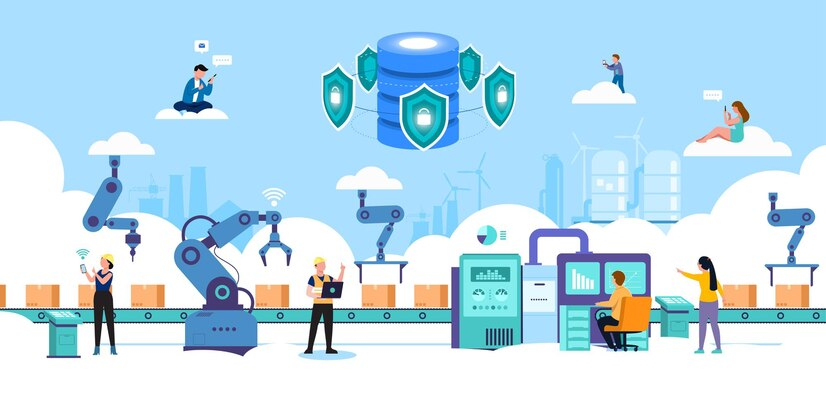
A smart factory is a highly digitized and connected manufacturing facility that harnesses the power of advanced technologies such as the Internet of Things (IoT), artificial intelligence (AI), big data analytics, and automation to optimize production processes and increase efficiency. .
Read More
Smart farming refers to managing farms using modern Information and communication technologies to increase the quantity and quality of products while optimizing the human labor required.
Read More
Smart hospitals — which utilize data and AI insights to facilitate decision-making at each stage of the patient experience — can provide medical professionals with insights that enable better and faster care.
Read More
Production Scheduling software enables advanced planning and scheduling of production activities within the manufacturing industry.
Read More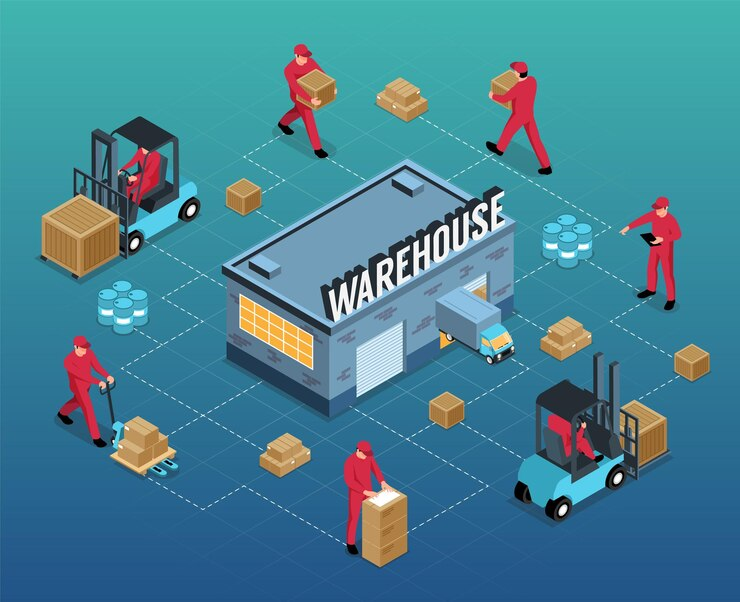
A Warehouse Management Software (WMS) is used in business to improve the efficiency of tracking inventory and supplies as they move through a warehouse or distribution center.
Read More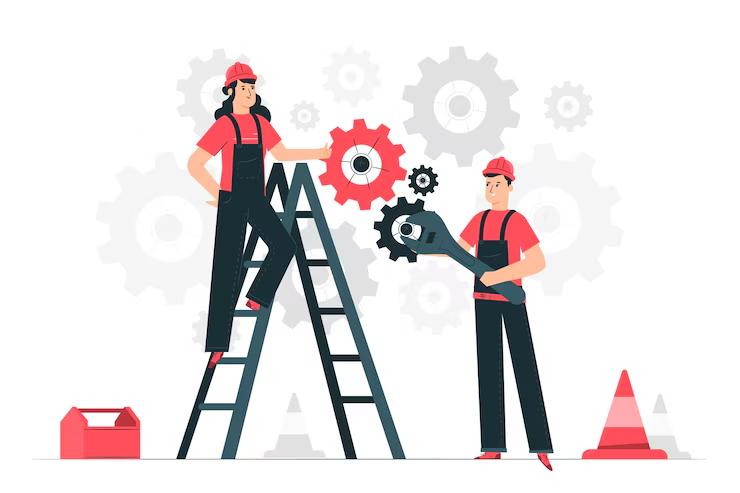
Maintenance Management software enables advanced planning and scheduling of maintenance activities within the manufacturing industry.
Read More
The Eight Disciplines of Problem Solving (8D) is a problem-solving methodology designed to find the root cause of a problem, devise a short-term fix, and implement a long-term solution to prevent recurring problems.
Read More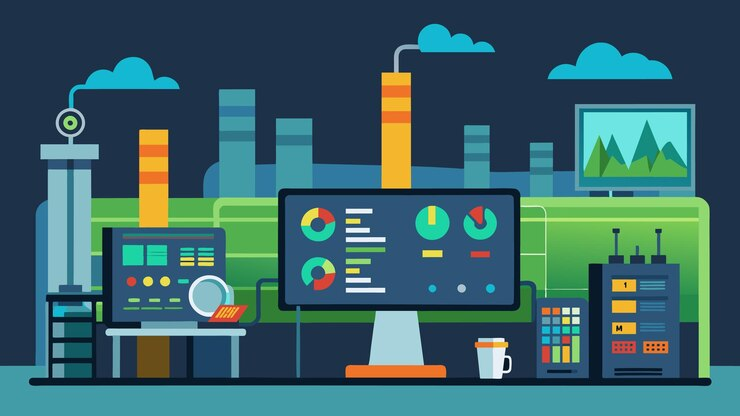
Statistical process control is a method of quality control which employs statistical methods to monitor and control a process. This helps to ensure that the process operates efficiently, producing more specification-conforming products with less waste.
Read More
Change management is the discipline that guides how we prepare, equip, and support individuals to successfully adopt change in order to drive organizational success and outcomes.
Read More
Measurement Systems Analysis are used to determine variation and bias. Analysis of the measurement results may allow individual components of variation to be quantified.
Read More
A document management system is used to receive, track, manage, and store documents and reduce paper. Most are capable of keeping a record of the various versions created and modified by different users.
Read More
Advanced product quality planning is a framework of procedures and techniques used to develop products in industry, particularly in the automotive industry.
Read More